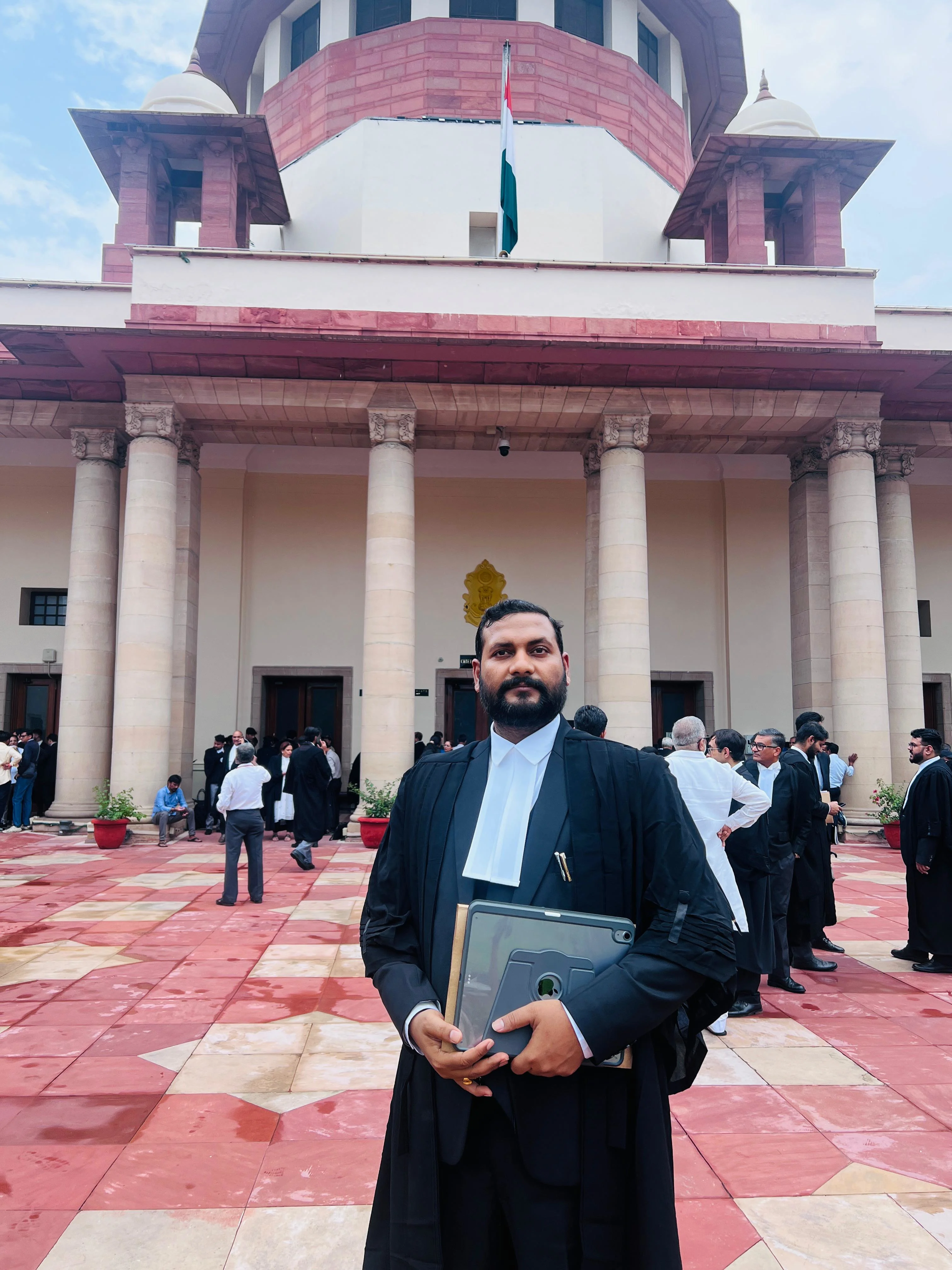

Advocate BK Singh is a Property Lawyer for High Court, dealing with builder-buyer disputes, partition matters, and restraint orders.
Property disputes brought before the High Court usually come from bad interim orders, refusals of injunctions, threats of execution and possession, conflicts over title and mutation, breaches of contract by builders and buyers, and procedural mistakes in lower court cases. High Court property litigation frequently hinges on maintainability, limitations, the extent of appellate or supervisory intervention, and the presence of a clear legal error, perversion, jurisdictional defect, or evident injustice necessitating remedial action.
The direction of a High Court property case is determined by maintainability, limitation, and the appropriate remedy from the High Court. The first choice is not "fight or settle," but rather picking the legally sound path and the right jurisdiction. Advocate BK Singh looks into whether the case needs a first or second appeal, a revision, a petition under supervisory jurisdiction, or some other legal remedy based on the order being challenged, the stage of the case, and the rights that are being affected. This screening helps keep the case from being thrown out on technical grounds and sets it up for meaningful temporary protection before the High Court.
To get interim protection in the High Court, you need to have a clean record, a clear story of the mistake, and proof of how urgent the situation is.
When the petition or appeal shows a strong prima facie case of legal error or injustice, balance of convenience, and risk of irreparable harm, the High Court grants interim orders. To make a credible interim application, you need to put together the order that is being challenged, the pleadings, the key annexes, and, if necessary, certified copies. You also need to make a clear timeline that shows how urgent the situation is, such as the threat of dispossession, steps taken to carry out the order, the risk of alienation, or the creation of something that can't be undone by a third party. This approach strengthens requests for stay, status quo, restraint against transfer, and protection against coercive action during the pendency of High Court proceedings.
When maintainability, limitation, and record quality are all in sync from the start, property disputes in the High Court go more quickly and safely. Advocate BK Singh helps clients who are going to the High Court by reviewing records, writing appeal/revision/writ pleadings, planning evidence for High Court scrutiny, and making settlement documents that will stay enforceable.
In High Court property litigation, strength comes from being consistent, not from being complicated. A convincing case has a clear record, facts that can be trusted and are backed up by annexures, and relief that meets the High Court's standards for both interim and final orders. Advocate BK Singh checks drafts to make sure that pleadings are still accurate, safe for litigation, and in line with the documents that the High Court can check.
Unit for Checking the Integrity of Records and Ownership
A master bundle is made so that the title story, possession position, and challenge to the impugned order are all easy to follow and legally sound. Advocate BK Singh makes sure that dates, pleadings, and annexures all match up so that there are no contradictions that usually come up during stay hearings and final arguments before the High Court.
Hearing Notes and Post-Order Action Unit for property cases in the High Court
Each listing must have a clear legal purpose, such as service, replies, interim stay arguments, compliance, paperbook completion, settlement recording, or final submissions. Advocate BK Singh makes sure that the oral strategy matches the written record and that compliance is quickly recorded in High Court cases.
When you have a clear plan for your High Court property case, it becomes easier to handle. This includes choosing the right remedy, keeping a clean record, having a believable interim stay strategy, and being ready to settle. This roadmap helps clients go from being unsure to being in charge by giving them legally sound steps that are meant for High Court practice.
Steps to get ready for the first real High Court hearing
Client Care Commitment for Property Matters in the High Court
This roadmap helps High Court property clients by making sure that filings are done correctly, interim relief is backed up by records, and settlement positions are legally safe.
Property conflicts affect financial stability, residential security, and family peace. Advocate BK Singh provides structured High Court litigation support for property matters with disciplined drafting, record-based strategy, and calm case handling that prioritizes lawful outcomes and enforceable solutions.
Your file is checked for maintainability, limitations, record gaps, and the possibility of an interim stay so that you can move forward with a legal plan instead of making assumptions.
Your pleadings, annexures, impugned orders, and timeline are all kept together in one High Court-ready bundle. This keeps things the same from the stay hearing to the final arguments.
Each listing is handled with a clear goal, such as service, reply, interim stay submissions, compliance, settlement recording, or arguments, so that the case can move forward.
The prayers are written with legal accuracy and record support so that they can be enforced. They can be for stay, status quo, restraint against alienation, or corrective relief against an adverse order.
The litigation record stays the same: no changing dates, no conflicting stories, and no contradictions that could be avoided and lead to technical objections or credibility challenges.
After each step, you get clear instructions on what to file, what to keep, how to talk to each other safely, and what deadlines you need to meet.