
Advocate BK Singh is a Property Lawyer for Tis Hazari Court, assisting in civil property suits, urgent relief, and compliance follow-up.
Property litigation in Tis Hazari Courts often involves old Delhi freehold/leasehold properties, ancestral houses, partition among co-sharers, landlord-tenant possession fights, rent arrears, title challenges arising from GPA/Agreement-to-Sell era papers, and disputes linked to long possession history. Many matters depend on how the documentary record matches ground reality and whether the claim is framed as a declaratory suit, partition, possession, eviction-related relief, or a combination that survives maintainability objections.
Advocate BK Singh, as a Property Lawyer for Tis Hazari Court, focuses on building cases that courts can decide efficiently: extracting the "ownership story" from municipal records, old conveyance papers, family settlements, and tenancy documents; identifying missing links and high-risk gaps; and drafting pleadings that stay tight on dates, boundaries, and parties. The objective is to secure workable orders and move the case toward final enforceable relief, not endless adjournments.
In Tis Hazari disputes, "who has what right" must be converted into a court-verifiable record.
Many properties have decades of occupancy, informal transfers, and overlapping claims. Advocate BK Singh prepares a structured rights map: who acquired, who inherited, who occupies, and what documents support each link. This helps the court understand the dispute quickly and reduces the risk of pleadings being attacked as vague or incomplete.
Tenant and possession matters demand precision: notices, arrears, and possession timelines.
Where tenancy exists, the case often turns on notice validity, rent/arrear proof, and the exact nature of occupation. Advocate BK Singh organizes rent proofs, communications, and chronology so the pleadings remain consistent and the relief sought is legally sustainable for the facts presented.
Partition and family property cases succeed when the case is framed for division and execution.
A "partition" claim is not just emotion-it needs property description, share computation, and practical division planning. Advocate BK Singh drafts cases with clear schedules, boundaries, and relief structure so orders can be implemented on ground, including where sale/auction or metes-and-bounds division becomes necessary.
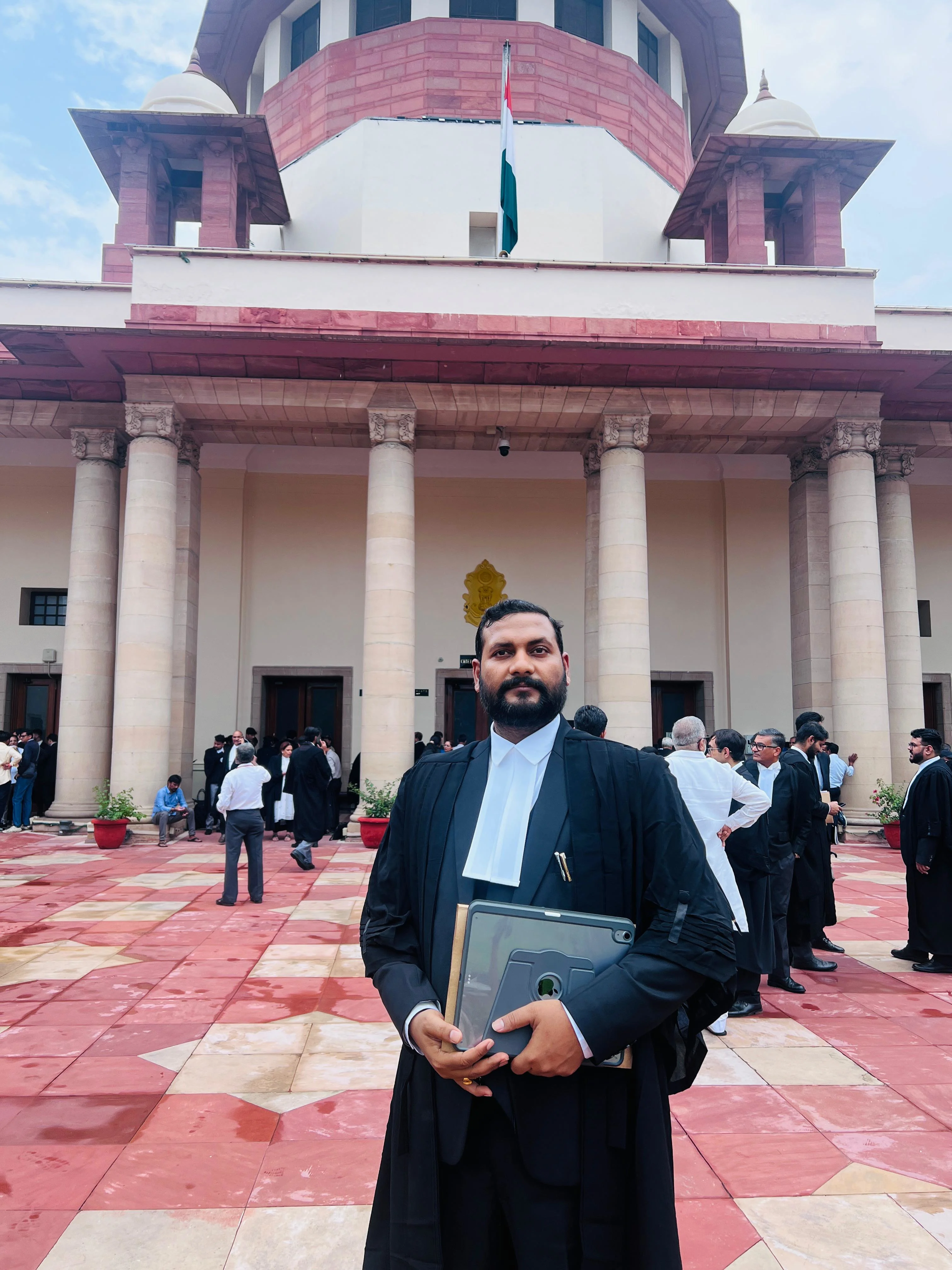
Tis Hazari property matters require strong groundwork on old records, occupancy history, and precise relief drafting. Advocate BK Singh assists with case planning, pleadings, interim applications, evidence preparation, and settlement documentation aimed at practical, enforceable outcomes.
In Tis Hazari Courts, strong property litigation is built on readable files-old papers organised, occupancy history clarified, and relief drafted for execution. Advocate BK Singh reviews drafts to keep the case factual, legally maintainable, and trial-ready.
Ownership & Occupancy Matrix Preparation
A structured matrix is created to show the court the "who, when, and how" of the property: acquisition, inheritance, occupation, and disputes. Advocate BK Singh uses this to remove ambiguity that often slows old property litigation.
Listing Notes & Trial Step Control for Tis Hazari matters
Each hearing date is linked to a concrete objective-document admission/denial, interim submissions, evidence filing, witness steps, or final arguments. Advocate BK Singh ensures the file is prepared to reduce wasted listings.
Tis Hazari property disputes become controllable when the case is built around documents, occupancy facts, and the correct remedy. This roadmap outlines practical steps that reduce confusion and increase the chance of enforceable relief.
What to prepare before filing in Tis Hazari
How the case moves toward final relief
Benefits of this approach
Old property disputes can be exhausting because they involve family relationships, long possession history, and paperwork gaps. Advocate BK Singh provides steady, practical legal support in Tis Hazari matters with a focus on clarity, documentation discipline, and enforceable relief.
The first step is understanding what the documents prove and what they do not.
Documents are indexed and linked to pleadings to reduce confusion in hearings.
Drafts are kept precise so the relief remains maintainable and enforceable.
You get a simple plan for compliance, filing, and evidence preparation after each order.
Settlements are drafted with possession, payment, and document handover clarity.
If escalation is needed, it is planned around record strength and limitation timelines.